May 24, 2026
WHY PRECISION BRASS COMPONENTS ARE ESSENTIAL FOR INDUSTRIAL APPLICATIONS

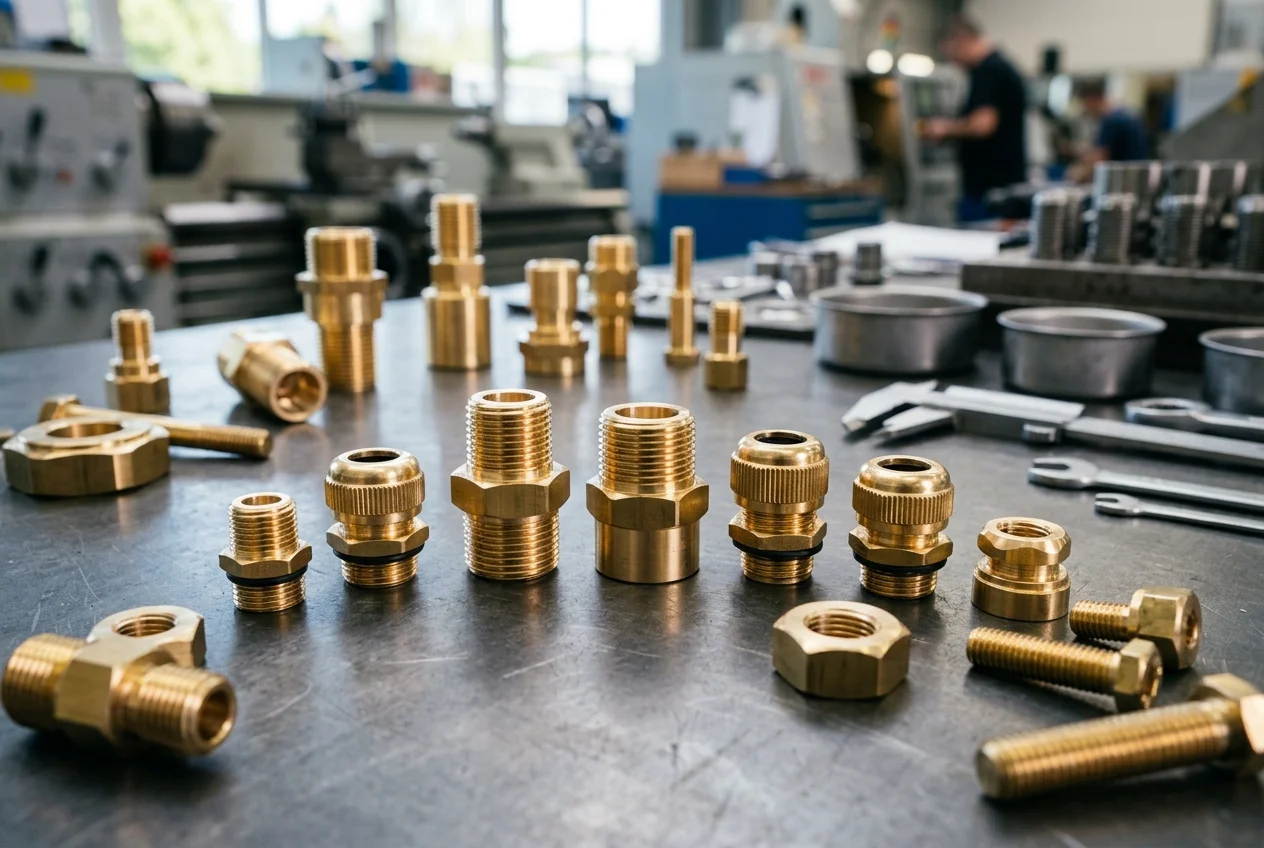
Precision brass turned components and engineered metal parts are the backbone of modern industrial engineering. From automotive fuel delivery systems and high-voltage electrical switchgears to industrial automation lines and sanitary plumbing, brass components provide an irreplaceable combination of mechanical durability, corrosion resistance, and micro-inch dimensional accuracy.
1. Exceptional Machinability and Sub-Micron Tolerances
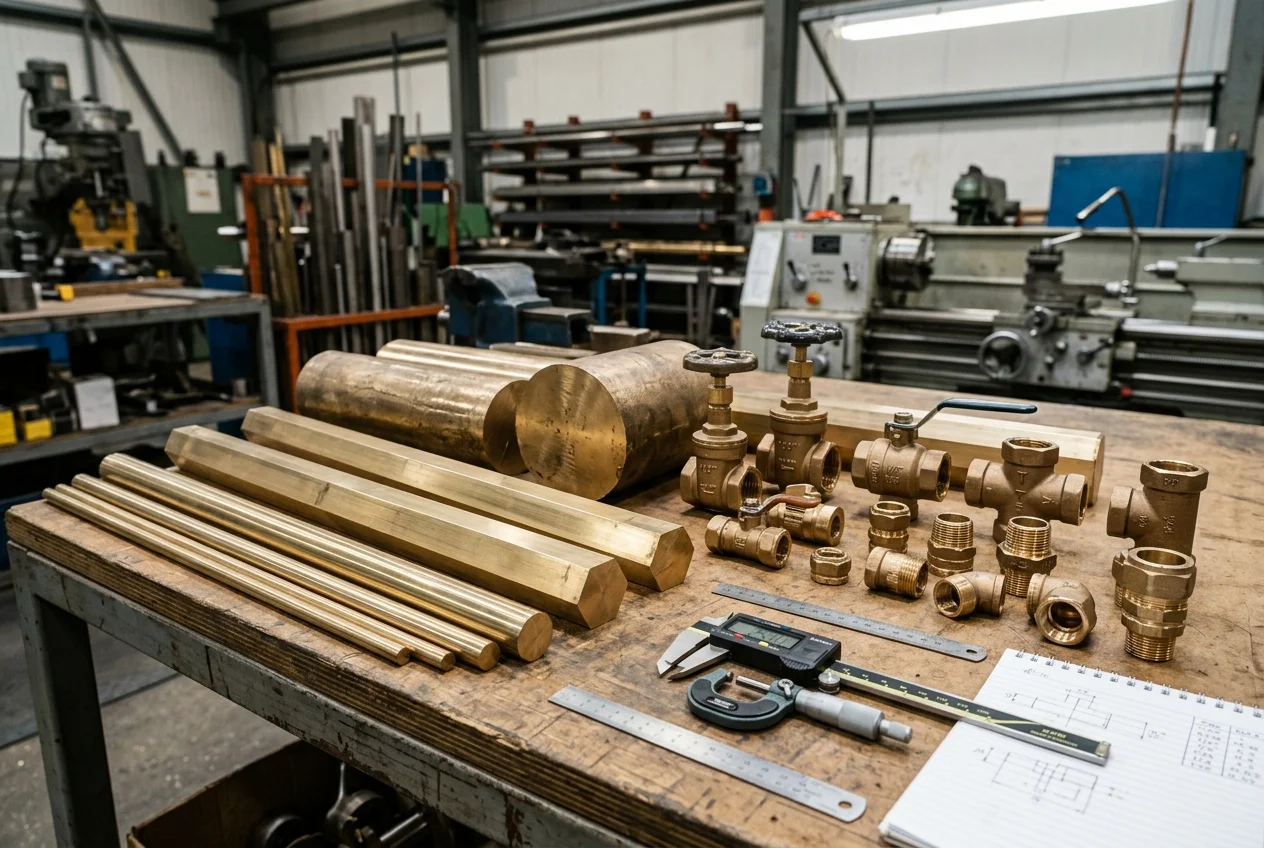
One of the primary reasons design engineers specify brass over stainless steel or titanium is its unmatched machinability rating. Standard free-cutting brass (such as CW614N / UNS C36000) boasts a 100% machinability index, serving as the industry benchmark against which all other engineering alloys are measured.
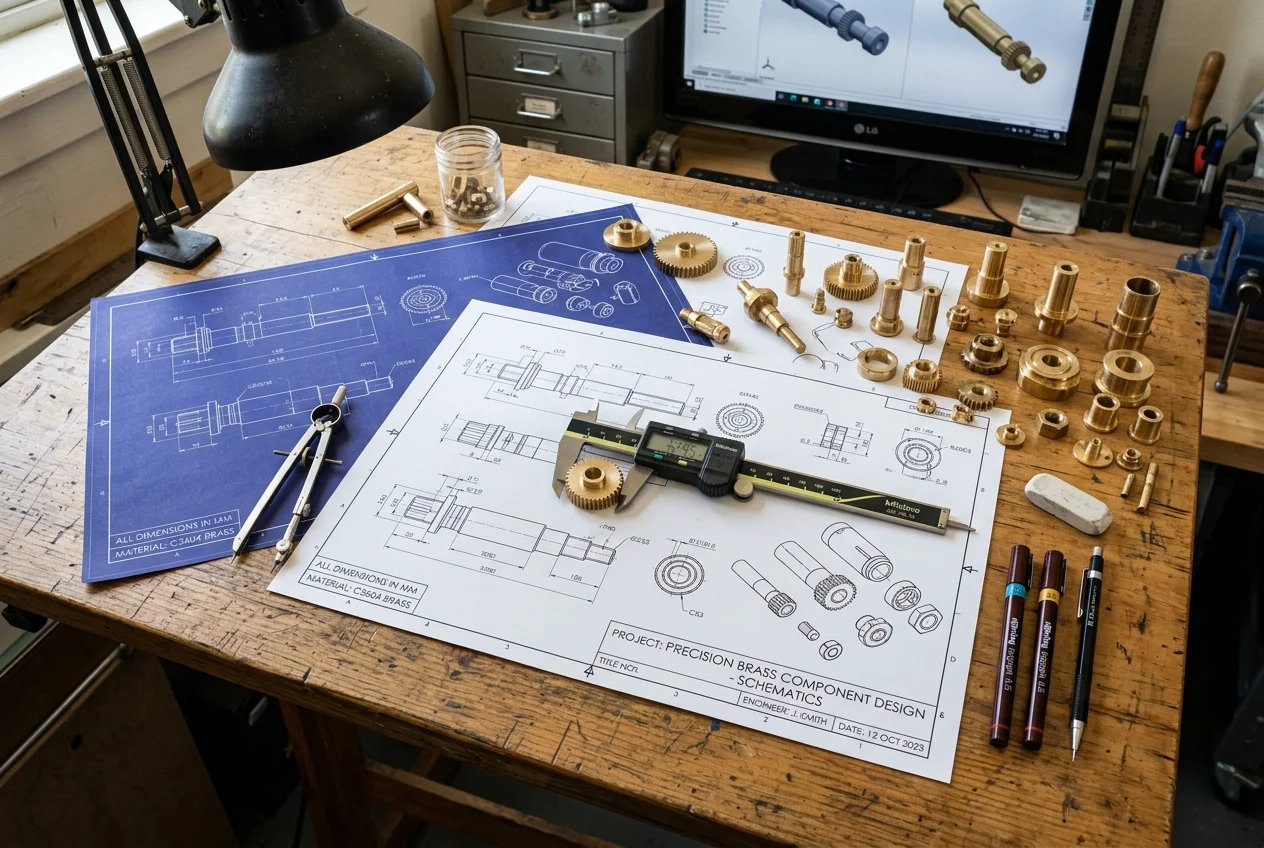
This superior machinability allows modern multi-axis CNC machines and high-speed Swiss-type lathes to operate at spindle speeds exceeding 8,000 RPM while maintaining tool sharpness and dimensional consistency down to ±0.005 mm. The resulting parts exhibit clean threads, zero burrs, and mirror-smooth surface finishes (Ra < 0.4 μm) without requiring secondary grinding operations.
2. Natural Corrosion Resistance and Environmental Longevity
Unlike carbon steel, which oxidizes rapidly when exposed to humidity and atmospheric oxygen, brass develops an ultra-thin protective patina layer. This natural oxidation barrier halts further corrosion, making brass ideal for:
- Marine and Seawater Environments: Naval brass alloys with added tin resist pitting and saltwater impingement.
- Industrial Fluid & Chemical Systems: Resistant to hydrocarbons, natural gas, compressed air, and hydraulic oils.
- Outdoor Electrical Infrastructure: Power distribution terminals and cable glands endure decades of rain, thermal cycles, and UV exposure without structural degradation.
3. Superior Thermal and Electrical Conductivity
In electrical equipment, material conductivity directly impacts energy efficiency, thermal build-up, and operational safety. Brass exhibits excellent electrical conductivity (approximately 28% to 44% IACS) alongside exceptional thermal dissipation. As a result, precision brass terminal blocks, battery connectors, earthing lugs, and switch contacts transfer high currents with minimal resistive losses.
4. Non-Sparking and Low-Friction Characteristics
In petrochemical plants, grain elevators, and hazardous gas storage facilities, non-sparking materials are mandatory by safety codes (such as ATEX and OSHA). Precision brass does not generate sparks when struck against ferrous metals, making it the premier choice for explosion-proof cable glands, valve stems, and pressure relief fittings.
Furthermore, brass possesses an inherently low coefficient of friction against other metals, providing self-lubricating qualities that prevent galling, seizing, and thread stripping during high-torque assembly.
5. Sustainability and Circular Lifecycle Economics
Modern OEMs prioritize environmental sustainability and circular manufacturing. Brass is 100% recyclable without any loss in mechanical or metallurgical integrity. Scrap brass chips generated during machining are collected, briquetted, and remelted with up to 85% energy savings compared to producing virgin copper and zinc alloys.
Partnering with Jupiter Brass Industries
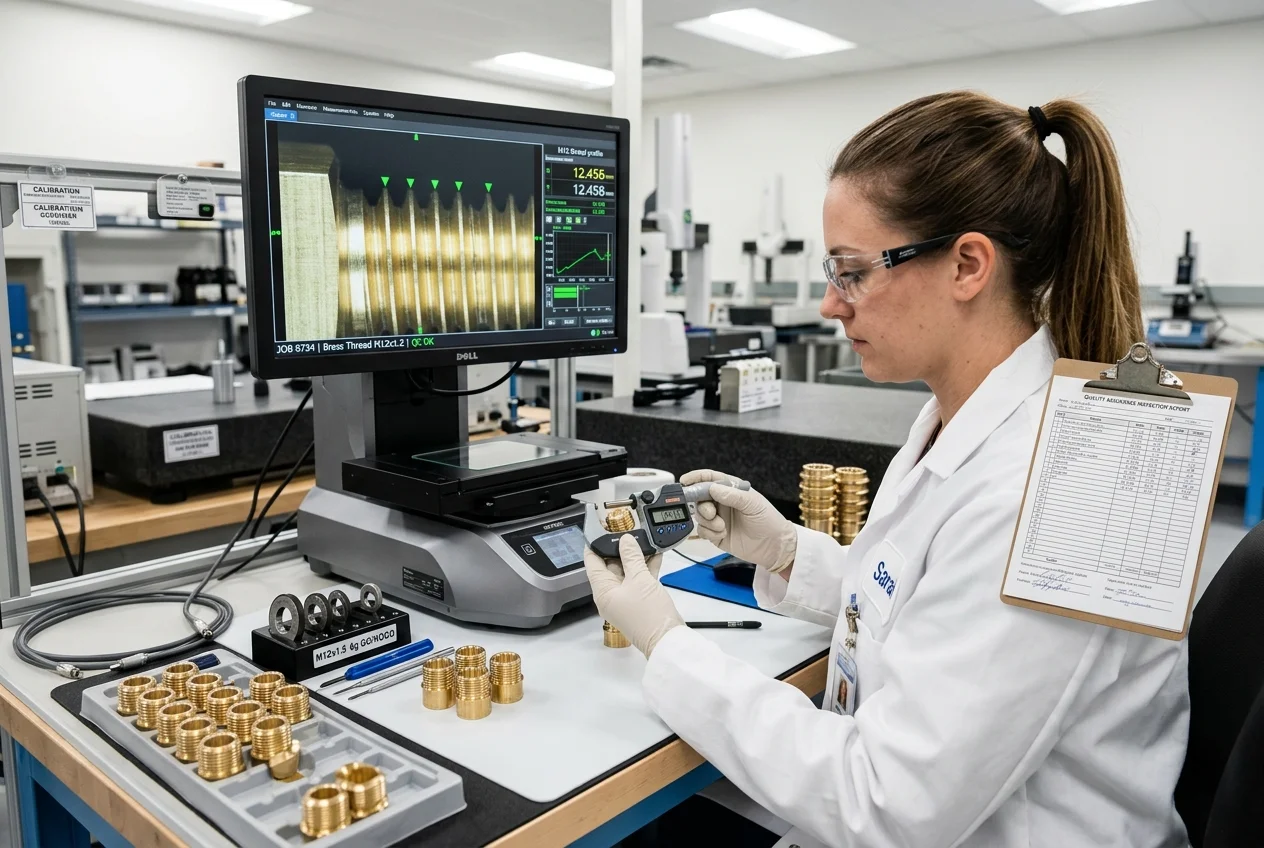
Since 1994, Jupiter Brass Industries has been manufacturing high-precision brass components, cable glands, fasteners, and custom CNC machined parts for leading industrial manufacturers across the USA, Europe, and the Middle East. With ISO 9001:2015 quality management and 100% optical inspection, we deliver consistency, precision, and reliable supply chain execution for your most demanding applications.