May 24, 2026
HOW CNC MACHINING IMPROVES BRASS PART ACCURACY AND CONSISTENCY

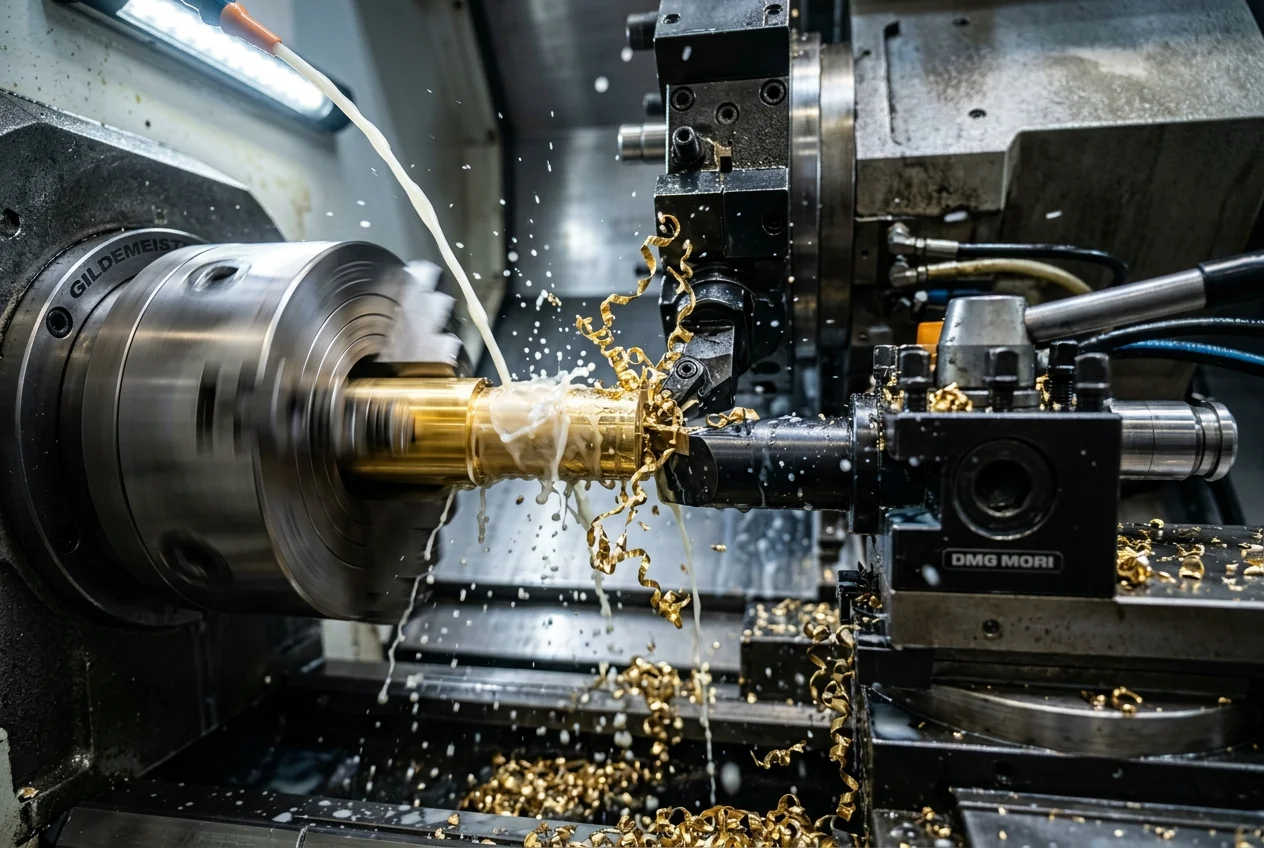
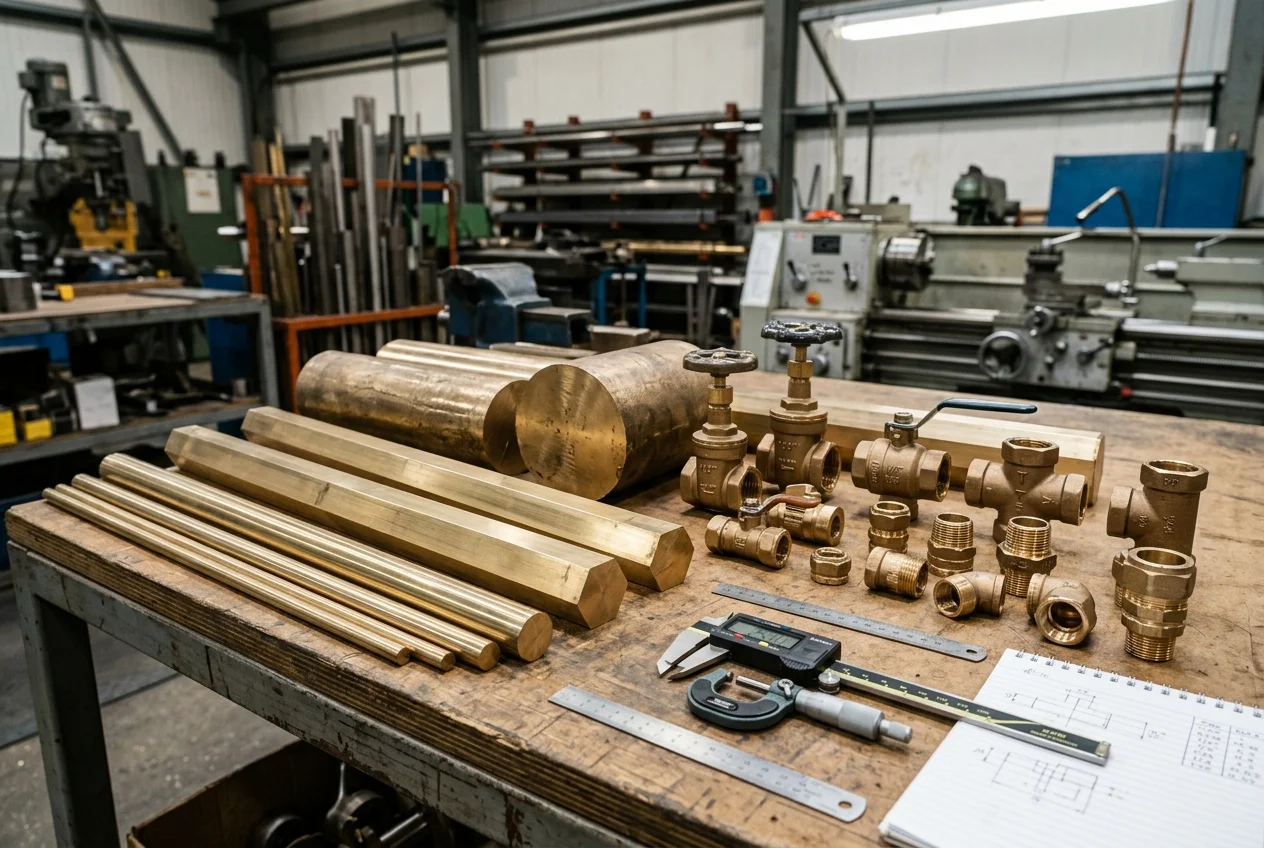
In high-reliability engineering assemblies, dimensional deviations measured in mere fractions of a millimeter can lead to catastrophic failures—causing fluid leaks in hydraulic lines, contact resistance in high-voltage breakers, or premature component wear in automotive assemblies. CNC (Computer Numerical Control) machining has revolutionized brass part manufacturing, enabling unprecedented levels of accuracy, cycle-time efficiency, and repeatability.
1. Overcoming the Limitations of Conventional Manual Machining
Traditional cam-operated capstans and manual lathes relied heavily on individual operator skill and frequent manual readjustment. While suitable for simple geometries, they suffered from tool deflection, operator fatigue, and batch-to-batch variation. Modern multi-axis CNC machines eliminate these vulnerabilities through computerized servo-motor control on all axes.
2. Micron-Level Repeatability (±0.005 mm)
Advanced CNC Swiss-type screw machines and turning centers maintain mechanical tolerances as tight as ±0.005 mm across production batches of hundreds of thousands of units. Key technical factors contributing to this precision include:
- Thermal Stability: High-precision temperature compensation algorithms that neutralize machine expansion during continuous operation.
- Linear Scale Encoders: Real-time sub-micron position feedback to the CNC controller.
- Precision Guide Bushings: Swiss turning supports the brass workpiece directly adjacent to the cutting tool, completely eliminating part deflection on slender shafts.
3. Complex Multi-Tasking in a Single Setup
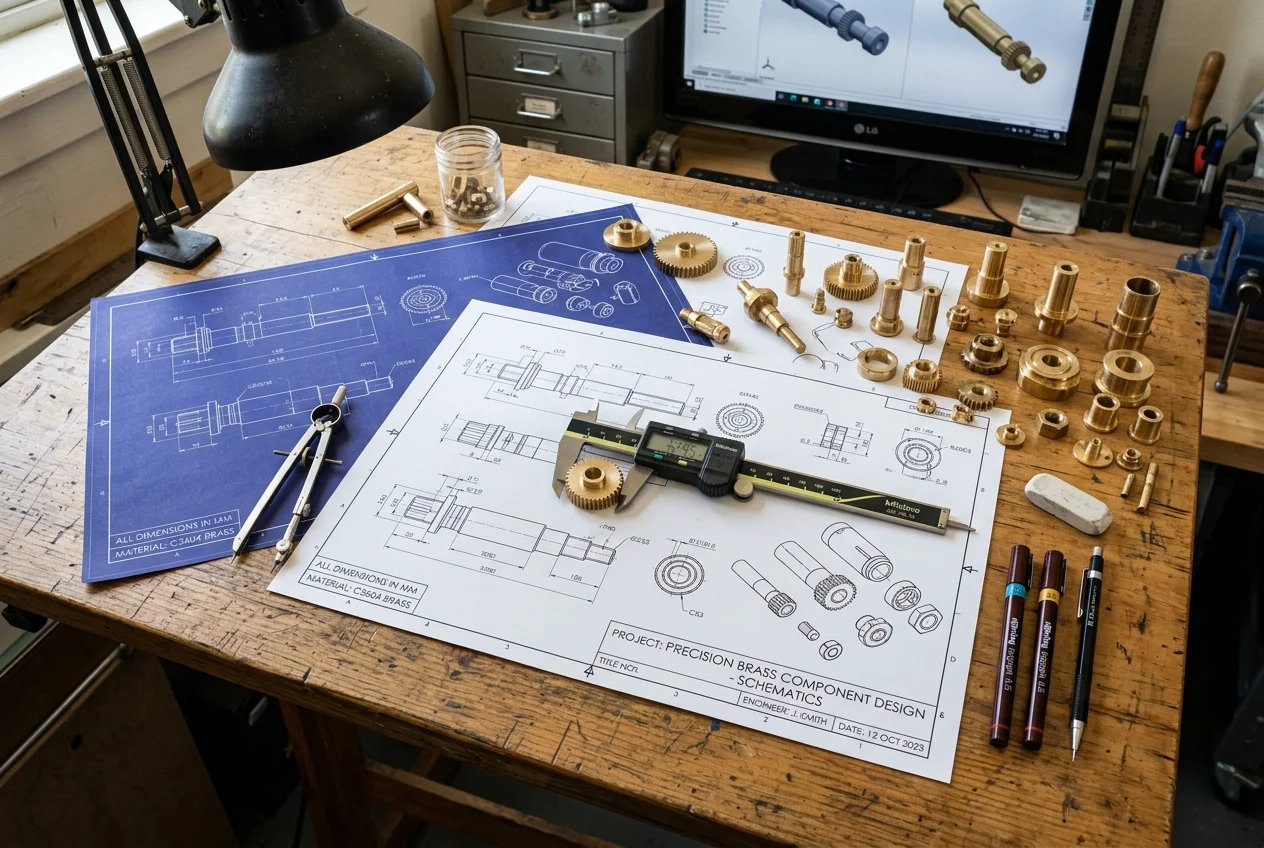
Modern CNC turning-milling centers combine turning, cross-drilling, hex milling, tapping, and eccentric slotting in a single automated setup. By machining the component completely on the main and sub-spindles before part-off, the risk of concentricity errors caused by secondary handling is entirely eliminated.
4. Superior Surface Finish (Ra Values Under 0.4 μm)
Computerized control over cutting speeds, feed rates, and synchronized tool movements enables high-surface-speed diamond and micro-grain carbide tooling to achieve mirror finishes without post-machining polishing. This smooth surface finish is critical for:
- Hermetic O-ring seal grooves and pneumatic valve seats.
- Low friction in rotating bushings and fluid couplings.
- Uniform adhesion of electroplated coatings such as Nickel, Chrome, and Tin.
5. Automated In-Process Quality Monitoring
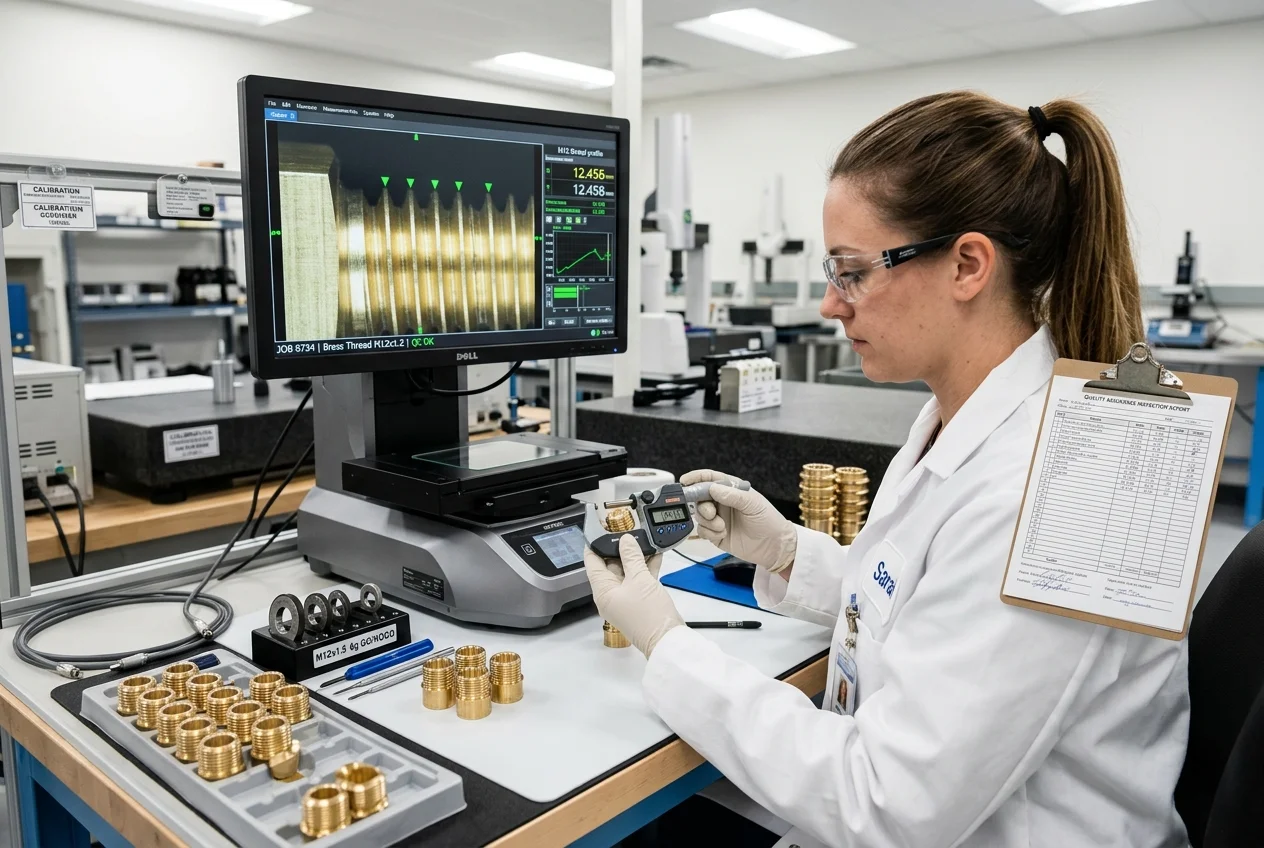
At Jupiter Brass Industries, our CNC workstations are equipped with tool breakage sensors, laser tool presetting, and automated pneumatic part ejectors. Finished components undergo continuous statistical process control (SPC) with digital micrometer stations and optical vision systems to guarantee zero defects.